
Foundation Repair in Lockhart, TX Built for Blackland Prairie Clay
The ground under a Lockhart home doesn't sit still. Houston Black and Burleson clays swell after May and October downpours, then shrink and crack open through a 100-degree summer. That yearly cycle shows up inside as sticking doors, sloping floors, gaps at the baseboards and drywall cracks running off window corners. Caldwell Foundation Repair Experts repairs slab and pier-and-beam foundations across Caldwell County. Before we recommend anything, we take real elevation measurements and give you a written explanation of what's moving your house and why. You don't pay for piers you don't need.
Since 2020, we've worked on everything from Victorian and Craftsman homes near the courthouse square to post-tensioned slabs in newer subdivisions on the edge of town. We know the clay in Uhland and Maxwell behaves differently from the sandy-over-clay ground around Dale, and that some Kyle lots sit half on limestone and half on deep clay. So pier depth, drainage fixes and leveling methods get matched to your soil. We don't use a one-size package, and we're careful to keep the original character of historic homes.
- ✓Serving Lockhart and Caldwell County since 2020
- ✓Bonded and insured
- ✓Written cause-of-movement explanation with every evaluation
- ✓Elevation measurements taken at every inspection
- ✓Slab and pier-and-beam specialists
- ✓Financing available
- ✓Serving homes within 20 miles of Lockhart
Request Your Free Estimate
No obligation. Fast, honest quotes.
Thank you — your request was sent!
A member of the Caldwell Foundation Repair Experts team will reach out shortly. Need help now? Call (512) 379-6343.
Why Lockhart Homes Need Foundation Repair
Most foundation problems around Lockhart start with the soil, not with how the house was built. Expansive clay, long droughts, flash floods and more than a century of mixed construction all add up to ground that rises and falls under your home every year.
Shrink-Swell Clay and a Boom-and-Bust Rain Cycle
Lockhart sits on the Blackland Prairie. The Houston Black, Heiden, Burleson and Branyon soils here are rich in smectite clay that can swell or shrink by several inches. Houston Black is the official state soil of Texas, and under it lie moisture-sensitive Taylor and Navarro marls. Rainfall averages only about 33–36 inches a year, and most of it arrives in heavy May–June and October bursts. In between, you get more than 100 days above 90°F. During droughts like 2011 and 2022–2023, the clay pulled away from perimeter beams and slabs cracked. When rain returned, the soil heaved back. Flash floods along Plum Creek and the San Marcos River can also wash soil out from under footings, and thirsty live oaks and pecans draw moisture from beneath slabs.
130 Years of Housing, Each Era With Its Own Weak Spot
Around the 1894 Caldwell County Courthouse, Victorian, Queen Anne and Craftsman homes still rest on original cedar or bois d'arc posts, stacked block piers or brick perimeter walls. Rotted posts, sagging sills and bouncy floors are common there. Ranch homes from the 1950s–70s in Lockhart and Luling often have conventional slabs and cast-iron drain lines, and leaks in those lines soften the soil underneath. Post-1980s homes mostly use post-tensioned slabs. In the Kyle, Buda and San Marcos tract developments, many of those slabs sit on cut-and-fill lots over high-plasticity clay. Out in Dale, Mustang Ridge and Niederwald, you'll find manufactured homes on piers, farmhouses and barndominiums.
Permits, Engineering Letters and Historic Review
Texas doesn't license foundation repair contractors, and it stopped registering residential builders in 2009. That makes documentation and reputation more important than they'd be in most states. Buyers, lenders and insurers often ask for an engineering letter from a PE licensed through the Texas Board of Professional Engineers and Land Surveyors. Inside Lockhart, Kyle, Buda, San Marcos, Luling and smaller cities, foundation work usually needs a permit. Unincorporated Caldwell and Hays County land often doesn't, but mapped flood zones may still need a floodplain permit. Downtown Lockhart is a National Register historic district, so visible exterior changes to designated homes may go through design review. Texas 811 has to be called before any digging, and septic fields affect where crews can excavate.
A Fast-Growing Market Where Inspections Drive Repairs
Growth along I-35, SH 130 and US 183 means lots of homes are changing hands, and buyers' inspectors flag foundation movement all the time. Sellers need fast, well-documented repairs. Owners of 5- to 15-year-old tract homes are often surprised to find slab cracks and want to know whether a builder warranty still applies. Rural owners need a contractor who'll actually make the drive.
Common Foundation Problems Around Lockhart
Not every crack means trouble, and not every sticking door needs piers. These are the problems we see most often in Caldwell County and the neighboring communities. We cover why each one happens here and which signs mean you should call before it gets more expensive.
Perimeter Beam Settlement After Drought Serious
This happens when the edge of a slab, usually at a corner, drops as the clay under it dries and shrinks. The middle of the house stays put while the outside sinks, which bends the slab and the walls built on it.
Why it's common hereBlackland clay loses the most volume at the perimeter, where sun, wind and tree roots dry it fastest. After summers like 2022–2023, when Lockhart went weeks above 100°F with almost no rain, soil cracks several inches wide opened along foundations all over town. Big live oaks and pecans near the house make it worse by pulling water from under the beam. Then the next heavy May rain swells only part of the soil back, so the house never quite returns to level.
Signs you'll notice- Stair-step cracks in brick veneer near corners
- Diagonal drywall cracks from door and window corners
- Gaps between the slab and the soil
- Doors that stick or won't latch in late summer
- Separated frieze boards or trim
- Floors sloping toward an exterior wall
We see this most on 1950s–70s ranch homes in Lockhart and Luling and on newer edge-of-town subdivisions built over deep Houston Black clay. Corners shaded by mature pecans are classic trouble spots, especially from August through October.
Our fix: We install pressed concrete or steel piers driven past the active clay zone at the settled section, lift the beam back toward level, and correct drainage or root issues that drove the movement.
Center Heave From Under-Slab Moisture Serious
Center heave is the reverse of settlement. The middle of the slab rises because clay underneath has absorbed water and swelled. It's often blamed on sinking, but the cure is different, and putting piers in the wrong spot can make it worse.
Why it's common hereUnder a slab, clay stays wetter than the soil at the edges, and any extra water swells it even more. A leaking cast-iron drain, which is common in Lockhart's mid-century homes, can feed water there for years. On newer post-tensioned slabs, irrigation sprayed at the foundation and flowerbeds packed against the beam push water inward. Heavy fall rains after a dry summer can make the hump grow quickly.
Signs you'll notice- Interior doors binding at the top corner
- Cracks in tile or flooring near the center of the house
- A hump you can feel when walking across a room
- Ceiling or interior wall cracks away from exterior walls
- Unexplained high water bill
- Slow or gurgling drains
This is common in older Lockhart and Luling slab homes with original cast-iron drains. It also shows up in 5- to 15-year-old Kyle and San Marcos tract homes where the irrigation zones hit the slab every day.
Our fix: First we test the plumbing with a licensed plumber's help. Then we fix the moisture source and correct drainage, and we pier only if measurements show it's needed. Lifting the perimeter to match the heave is sometimes the right call.
Rotted or Sunken Pier-and-Beam Supports Serious
In older homes, the wood posts, stacked blocks or brick piers that carry the floor framing can rot, sink or tilt. When that happens, floors sag, feel bouncy or slope, and the framing above starts twisting out of square.
Why it's common hereMany homes near the courthouse square still sit on cedar or bois d'arc posts set a hundred years ago. These were tough materials, but decades of wet crawlspaces and shifting clay eventually win. Poor ventilation keeps moisture under the house, and flood events saturate the crawlspace. Earlier repairs often used shallow pads and loose shims that have since slipped, so a lot of homes are on their second or third failed fix.
Signs you'll notice- Bouncy or springy floors
- Floors sloping toward the middle of the house
- Musty smell or damp air in the crawlspace
- Visible rot or crumbling on posts and blocks
- Gaps above interior doors
- Sagging sills visible behind skirting
This is concentrated in Lockhart's historic district, older Luling neighborhoods from the 1920s oil boom, and farmhouses around Martindale, Niederwald and rural Caldwell County.
Our fix: We replace failed posts with concrete piers on proper footings, re-shim with steel, repair sills and girders, and improve crawlspace drainage and ventilation without changing the home's historic exterior.
Differential Settlement on Mixed Soil Lots Moderate
This happens when part of a house sits on stable rock or fill and part sits on expansive clay. The two sections move at different rates, which cracks the slab along the line where the soils change.
Why it's common hereAlong the Balcones Escarpment west of I-35, shallow Edwards limestone gives way to deep clay within a few hundred feet. Some subdivisions in Kyle, Buda and San Marcos were graded with cut-and-fill pads that put one end of a slab on rock and the other on clay or loose fill. Out east near Dale and Cedar Creek, sandy topsoil over dense clay can trap perched water under one side of a house.
Signs you'll notice- A single long crack across the slab or garage floor
- Cracks concentrated on one side of the house
- Bricks separating at one end only
- Garage settling away from the main house
- Uneven tile cracking in one wing
We see this a lot in master-planned communities in Kyle, Buda and San Marcos, and on acreage homes around Dale and Cedar Creek where the sandy loam sits on clay.
Our fix: We set pier depths separately for each zone, sometimes reaching rock on one side and going deep through clay on the other, and correct drainage so the wet side stops moving.
Flood Washout and Saturated Foundations Emergency
Floodwater can erode soil from under footings and beams, and it leaves crawlspaces soaked for weeks. You can get sudden voids, sinking piers and long-lasting moisture problems on top of the usual seasonal movement.
Why it's common hereCentral Texas has some of the worst flash flooding in the country. The 2015 Memorial Day and Halloween floods hit the Blanco and San Marcos rivers hard, and Plum Creek and the San Marcos River near Martindale and Luling flood again and again. Fast-moving water scours soil, and clay that stays saturated loses bearing strength.
Signs you'll notice- Sudden new cracks after a flood
- Standing water or silt in the crawlspace
- Exposed footings or voids at the slab edge
- Sudden sag in floors
- Mold or rot under the house
This happens along Plum Creek in Lockhart, the San Marcos River at Martindale and near Luling, and in low-lying rural lots in Niederwald and Uhland after major storms.
Our fix: We stabilize anything that's actively failing, fill voids, replace damaged supports, and add drainage. We'll also check whether floodplain permits apply.
Cosmetic Concrete and Wall Cracks Minor
These are hairline shrinkage cracks in slabs, garage floors, driveways and foundation walls that aren't caused by structural movement. They're common and usually harmless, but they can let water and pests in.
Why it's common hereConcrete shrinks as it cures, and Central Texas heat and UV make it shrink faster. Almost every slab in the region has a few hairline cracks. The tricky part is that homeowners here have seen what real movement does, so every crack feels alarming. An honest measurement tells you which kind you have.
Signs you'll notice- Hairline cracks under 1/8 inch
- Cracks that don't widen over months
- No offset from one side of the crack to the other
- Doors and windows working normally
- Cracks in garage or driveway concrete only
We find these in nearly every home we inspect, from new builds in Kyle and Uhland to older driveways in Lockhart. They're often flagged on real-estate inspection reports.
Our fix: We confirm with measurements that the crack is cosmetic, then seal or patch it with epoxy or polyurethane to keep out water. No piers needed.
Foundation Repair Services We Offer
We handle the full range of foundation work, from sealing a hairline crack to building a new crawl space foundation. Every recommendation comes from measurements taken at your property, and the method changes with the soil. What works on Lockhart's deep clay won't always suit a Buda lot sitting on limestone.
Slab Foundation Repair & Concrete Foundation Leveling ⭐ Specialty
This covers slab foundation repair, house foundation repair, concrete slab leveling and concrete foundation leveling. We stabilize and lift settled slabs on conventional and post-tensioned foundations so floors, doors and walls work properly again.
Our approachWe use pressed concrete or steel piers, or drilled piers where needed, driven to refusal or past the active clay zone. Lifting is done in careful stages while we monitor elevations, and Post-Tensioning Institute practices guide our work on post-tensioned slabs.
In Lockhart, TXOn Lockhart's Houston Black clay, piers have to get below the seasonal moisture zone or they'll move with the soil. In Kyle and Buda, we often reach limestone much shallower, so depth gets set by each pier, not by a fixed number.
Best for: Slab homes showing brick cracks, sticking doors or sloping floors, plus sellers whose buyer's inspection flagged foundation movement.
Pier and Beam Foundation Repair & Crawl Space Repair ⭐ Specialty
This covers pier and beam foundation repair, foundation raising, concrete pier foundation repair, stem wall repair and crawl space repair. We level older homes, replace failing posts and piers, and rebuild sagging sills and girders.
Our approachWe replace rotted cedar or bois d'arc posts with concrete piers on proper footings, use steel shims that won't compress, and sister or replace damaged beams. We also improve crawlspace ventilation, moisture control and access.
In Lockhart, TXThe Victorian and Craftsman homes around the courthouse square and Luling's 1920s houses need a light touch. We work from inside the crawlspace whenever we can, so original skirting, lattice and brick perimeter walls stay intact and you avoid problems with historic review.
Best for: Older pier-and-beam homes with bouncy or sloping floors, plus farmhouses and manufactured homes on piers and blocks that need re-leveling.
Foundation Inspection
We do a full foundation evaluation with elevation measurements, crack mapping and a written explanation of what's causing the movement. That way you know whether it's cosmetic, seasonal or structural before you spend anything.
Our approachWe take digital elevation readings across the floor and check drainage, grading, gutters, trees and plumbing indicators. Findings are compared against Texas Section ASCE and Foundation Performance Association guidelines for residential slabs.
In Lockhart, TXTiming matters here. Readings taken after a drought summer look different from readings taken after a wet spring. We'll explain how seasonal clay movement affects your numbers and whether it makes sense to monitor before you repair.
Best for: Homeowners unsure whether cracks are serious, home buyers and sellers, and anyone with a previous repair that seems to be failing.
Foundation Drainage
We correct the water problems that keep clay soils moving. That includes negative grading, missing gutters, flowerbeds that trap water and irrigation hitting the slab, and we add drains where they're needed.
Our approachWe install French drains, surface drains and downspout extensions, regrade to slope water away from the house, add root barriers along beams, and give you practical guidance on watering the foundation during drought.
In Lockhart, TXLockhart's rainfall arrives in heavy bursts. Without drainage, a single October storm can heave a slab that was leveled in July. On sandy-over-clay lots near Dale and Cedar Creek, we also deal with water perched on the clay.
Best for: Any home with ponding water, recurring movement, crawlspace moisture, or a recent repair that you want to protect long term.
Foundation Crack Repair & Concrete Wall Crack Repair
This covers foundation crack repair, concrete wall crack repair, concrete floor crack repair, foundation patching and foundation wall repair. We seal and structurally bond cracks in slabs, stem walls and foundation walls.
Our approachWe use epoxy injection for structural bonding, flexible polyurethane for cracks that may still move, and surface patching for spalled or chipped areas. Each crack is measured first to decide whether sealing alone is enough.
In Lockhart, TXHairline shrinkage cracks show up in nearly every Central Texas slab. We confirm a crack is stable before sealing, so we're not just covering up seasonal clay movement that needs a structural fix.
Best for: Cosmetic and minor cracks, crack sealing after a structural repair, and stem walls or block walls letting in water or pests.
Concrete Repairs: Garage, Driveway & Block Foundations
This covers concrete repairs, concrete slab repair, garage foundation repair, driveway foundation repair, concrete block foundation repair and poured concrete foundation repair, for both attached structures and flatwork.
Our approachWe pier garage additions that are separating from the house, re-level or replace settled slab sections, rebuild deteriorated block, and repair poured walls with patching, reinforcement and crack injection.
In Lockhart, TXGarage additions on 1960s–70s Lockhart and Luling homes often sit on shallower footings than the original house and settle away from it. Long rural driveways near Mustang Ridge and Creedmoor crack as clay shrinks along the edges.
Best for: Settling garages, cracked driveways, older block foundations and any concrete pulling away from the main structure.
Concrete Slab Leak Repair
We handle the foundation side of under-slab plumbing leaks. We coordinate testing, provide access for repairs, then restore and stabilize the slab once the leak is fixed.
Our approachWe work with Texas-licensed plumbers on hydrostatic and pressure testing, tunnel or cut access as needed, backfill and compact properly, and level any area the leak caused to settle or heave.
In Lockhart, TXOriginal cast-iron drains under mid-century Lockhart, Luling and San Marcos homes are frequent leak sources. Since Texas insurance may cover damage from a sudden leak, documenting it before repair can help with a claim.
Best for: Homes with high water bills, warm floor spots, slow drains or localized cracking in one room.
Concrete Foundation Reinforcement & Sealing
This covers concrete foundation reinforcement and concrete foundation sealing. We strengthen weakened beams and walls and seal concrete against water so the soil under the foundation stays drier and more stable.
Our approachWe add structural reinforcement at weak sections, apply penetrating and membrane sealers to exposed beams and walls, and seal joints where slab meets wall to keep water out.
In Lockhart, TXExposed perimeter beams take a beating from Central Texas UV and heat, and flood-prone properties along Plum Creek and the San Marcos River benefit from sealing that limits how much moisture reaches the foundation.
Best for: Older foundations showing surface wear, flood-exposed homes, and owners who want extra protection after leveling.
Foundation Installation & Crawl Space Foundation Construction
This covers foundation installation, foundations and crawl space foundation construction for additions, rebuilt structures and pier-and-beam replacements, designed to suit the soil on your lot.
Our approachWe build with engineered pier and beam or slab layouts, drilled or pressed piers below the active clay zone, and proper crawlspace ventilation and access, coordinating with your engineer and permit office.
In Lockhart, TXBarndominiums, additions and acreage homes in Dale, Niederwald and Cedar Creek need foundations that account for septic fields, wells and sandy-over-clay soil, as well as floodplain rules where they apply.
Best for: New additions, homes needing a full foundation rebuild, and rural structures on challenging soil.
Commercial Foundation Repair
We repair slabs and foundations under small commercial buildings, shops, metal buildings and historic storefronts across the area.
Our approachWe use the same measurement-first approach, with piering, slab leveling, crack repair and drainage correction, and we schedule work to keep your business running.
In Lockhart, TXThe brick storefronts around Lockhart's courthouse square and metal buildings on SH 130 and US 183 deal with the same clay movement as homes, and historic properties may need design review.
Best for: Shop owners, landlords and businesses with settling floors, cracked masonry or doors that won't close.
How Our Foundation Repair Process Works
No pressure, no guesswork. Here's what happens from your first call through the final elevation check, including the local permit, utility and HOA steps most homeowners don't know about.
Schedule Your Evaluation
- We ask about cracks, doors, floors and when you first noticed changes
- We note your home type, age and any previous repairs
- We set a visit time that works for you
Local note: Let us know if you're in a sale, so we can work toward your option or closing deadlines.
On-Site Inspection and Measurements
- We take elevation readings across the slab or floor framing
- We check the crawlspace when there is one
- We look at drainage, gutters, grading, trees and irrigation
- We look for plumbing leak indicators and earlier repair work
Local note: We read the numbers against the season. Clay at the end of a dry August doesn't behave like clay in a wet May.
Written Explanation and Repair Plan
- You get a written explanation of what's causing the movement
- We recommend repairs that address the cause, not just the cracks
- Pricing is itemized, and financing options are available
- We tell you honestly when monitoring or drainage alone is enough
Local note: If a lender, buyer or insurer needs a PE letter, we'll coordinate with a licensed Texas engineer.
Permits, Utilities and Scheduling
- We confirm permit requirements with the city or county
- We call Texas 811 to have utilities marked before digging
- We arrange plumbing tests with a licensed plumber when needed
- We plan HOA access, staging and work hours
Local note: Lockhart, Kyle, Buda and San Marcos usually require permits. We also check historic review for downtown Lockhart, floodplain rules, and septic locations on rural lots.
Repair, Leveling and Final Verification
- We install piers, shims or drainage according to the plan
- We lift in stages while monitoring elevations
- We backfill, clean up and restore the work area
- We take final readings and review the results with you
Local note: We put landscaping and irrigation back the way we found them, which HOAs in master-planned communities often require.
Why Homeowners Choose Caldwell Foundation Repair Experts
We Know This Clay, Lot by Lot
Foundation repair around Lockhart isn't one-size-fits-all. Deep Houston Black and Burleson clay in Lockhart, Uhland and Maxwell needs deep piers. West of I-35 in Kyle and Buda, we may hit Edwards limestone at a few feet. Near Dale and Luling, sandy topsoil over dense clay traps water. We've been working this ground since 2020, and that experience goes into every pier depth, drainage plan and leveling sequence we recommend. The result is a repair that holds up through the next drought and the next flood season.
Honest Answers Backed by Measurements
Every evaluation includes elevation measurements and a written explanation of the cause. Plenty of cracks around here are cosmetic shrinkage, and plenty of sticking doors are seasonal. When that's what we find, we tell you, even if it means you don't need piers. When you do need structural repair, you'll see the numbers that prove it and understand why. That transparency matters in a state that doesn't license foundation contractors, where the paperwork and the people behind it carry a lot of weight.
Bonded and Insured on Every Job
We're bonded and insured, so your property is protected while we work under and around your home. That's important when crews are tunneling under a slab, jacking a hundred-year-old house or working near septic fields and wells on rural acreage. Texas has no state license for foundation repair, so proof of bonding and insurance is one of the clearest ways to separate an established local company from the outfits that show up after a drought or storm and disappear once the check clears.
Two Skill Sets: Slab and Pier-and-Beam
Lockhart's housing runs from 1890s Victorian cottages to brand-new post-tensioned slabs, and they don't fail the same way. Older homes need post replacement, steel shimming, sill and girder repair, and crawlspace ventilation. Slab homes need pressed or drilled piers driven past the active clay. We do both every week, so you won't get a slab crew trying to force a slab solution onto a pier-and-beam house, or the other way around.
Respect for Historic Homes
The neighborhoods around the 1894 courthouse are part of what makes Lockhart special. When we stabilize a historic pier-and-beam home, we keep original materials wherever possible and work from the crawlspace to avoid visible exterior changes. When skirting, lattice or a brick perimeter wall does have to change, we'll flag it early, since downtown Lockhart is a National Register district with design review. San Marcos and Luling historic homes get the same care.
We Fix the Cause, Not Just the Symptom
Piers alone won't stop a slab from heaving if a cast-iron drain is leaking underneath or irrigation is soaking the beam. Our plans address the water too. That means coordinating leak tests with licensed plumbers, correcting grading and gutters, adding French drains or root barriers, and showing you how to water your foundation through a drought summer. It's how a repair holds up through Central Texas's wet-dry cycle instead of failing again in a few years.
Financing and Real-Estate Ready
Foundation repair often comes at a bad time, like in the middle of a home sale or right after a buyer's inspection report lands. Financing is available to help spread out the cost. If you're selling, we work toward your deadlines, give you clear written documentation, and coordinate with a licensed engineer when your buyer or lender needs a PE letter. Rural customers within our 20-mile radius get the same service as homeowners in town.
A Lockhart Foundation Company You Can Verify
Texas doesn't license foundation repair contractors, so look for proof. We're bonded and insured, we've served Caldwell County since 2020, and every evaluation comes with measurements and a written explanation you can show a buyer, lender or second opinion.
Bonded • Insured
Foundation Repair Service Areas Around Lockhart
We're based in Lockhart and serve homes and businesses within about 20 miles. That stretches across Caldwell County and into eastern Hays and southern Travis counties, covering three very different soil zones and every kind of house built on them.
Lockhart & Caldwell County
I-35 Corridor & Hays County
SH 130 & Southern Travis/Bastrop Edge
Not sure if we cover your area? Call (512) 379-6343.
Foundation Repair Cost in Lockhart, TX
Foundation repair prices around Lockhart depend on your soil, your house and what's actually causing the movement. Here's what drives the cost and what typical projects run in Central Texas, so a quote won't catch you off guard.
Number and Type of Piers Primary Factor
The biggest variable for slab homes is how many piers you need and what kind. Pressed concrete pilings usually run a few hundred dollars each installed. Steel and drilled piers cost more because they go deeper or reach bedrock. A corner repair might need 6–10 piers, while a whole-house lift on deep Houston Black clay can take 25 or more. On Kyle and Buda lots where limestone sits shallow, piers may stop sooner, which lowers the per-pier cost.
Foundation Type and Access Primary Factor
Pier-and-beam repairs often cost less per point than slab piering. Shimming and post replacement are simpler, but crawlspace height matters a lot. A tight 12-inch crawlspace under a historic Lockhart home takes more labor than a roomy one. For slabs, interior piers may require breaking through flooring or tunneling, and tunneling under a slab is priced by the linear foot.
Plumbing and Leak Work Secondary Factor
If testing turns up a leaking cast-iron drain, the plumbing repair is a separate cost done by a licensed plumber. It can range from a small spot repair to a full drain replacement, especially in 1950s–70s homes. It's worth paying for, because leveling a slab over an active leak just means paying twice. Insurance may cover some sudden-leak damage.
Drainage Corrections Secondary Factor
Gutters, downspout extensions, regrading, French drains and root barriers add to the total. They're also what keeps your repair stable through the next drought-to-flood swing. Simple fixes might be a few hundred dollars. A full perimeter French drain on a larger lot costs several thousand.
Permits, Engineering and Restoration Additional Factor
City permits in Lockhart, Kyle, Buda and San Marcos, engineering letters for real-estate deals, and restoring landscaping and irrigation in HOA neighborhoods all affect the final price. Historic review in downtown Lockhart can add some time but rarely adds much cost when the work stays inside the crawlspace.
| Typical project | Details | Estimated range |
|---|---|---|
| Corner settlement on a 1960s Lockhart ranch home | About 1,500 sq ft conventional slab, 8 exterior pressed piers at the settled corner, plus gutter extensions | $3,500 – $7,000 |
| Pier-and-beam re-level of a historic Lockhart home | Craftsman bungalow with rotted posts replaced by concrete piers, steel shims, a sill repair section and crawlspace ventilation | $4,000 – $12,000 |
| Whole-perimeter lift on a Kyle tract home | About 2,200 sq ft post-tensioned slab, 18–22 exterior and interior piers, drainage correction and HOA landscape restoration | $9,500 – $18,000 |
| Drainage-only correction after an honest evaluation | Movement within tolerance, so the fix is regrading, a French drain section, downspout extensions and a root barrier | $1,200 – $5,000 |
Financing is available, so you can take care of structural problems now instead of waiting while the damage spreads. Ask about options during your evaluation. Unresolved foundation movement is one of the top issues buyers' inspectors flag along the I-35 and SH 130 corridors. A documented, properly sized repair protects your home's value and keeps a sale from falling through.
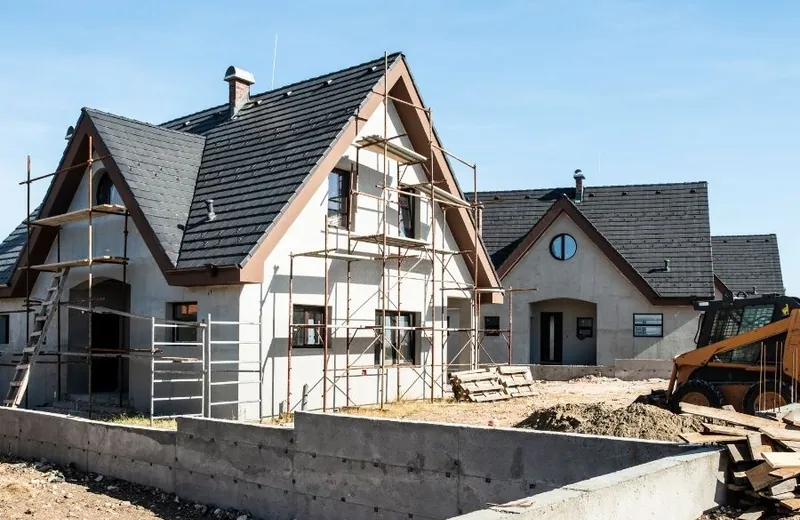
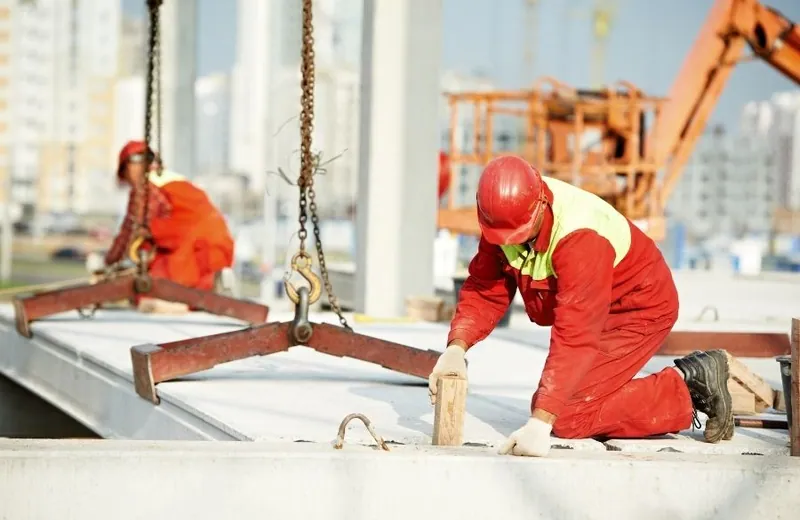
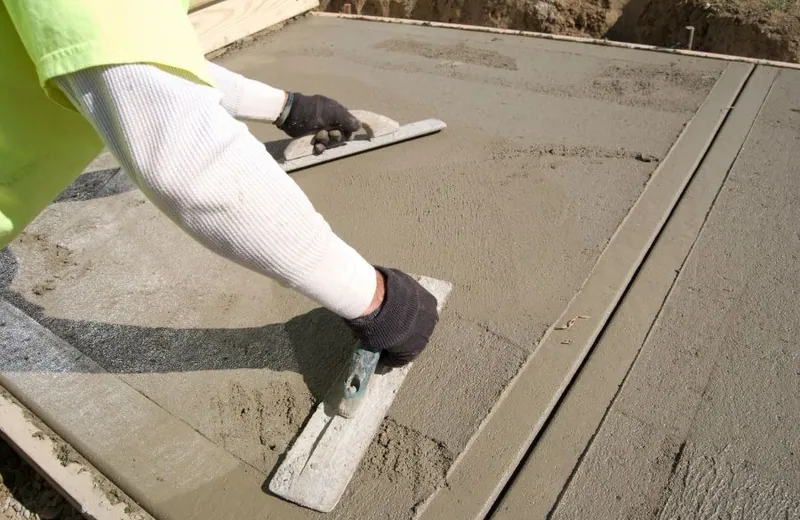
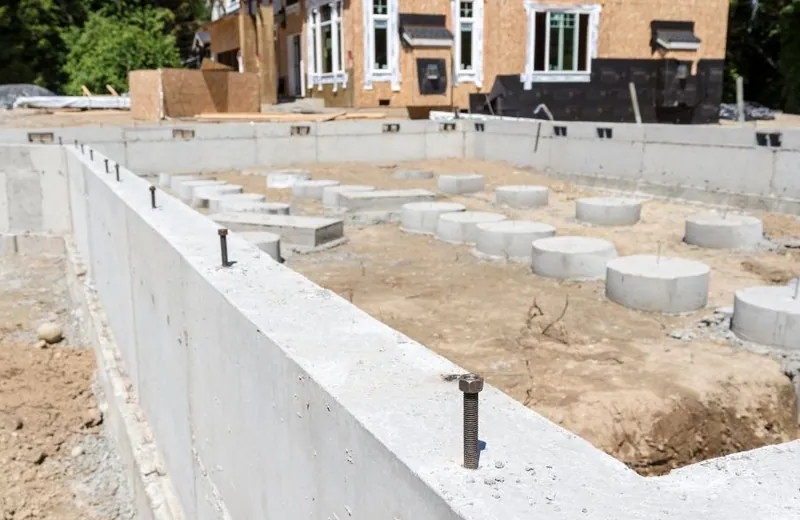
Recent foundation-repair Projects in Lockhart, TX
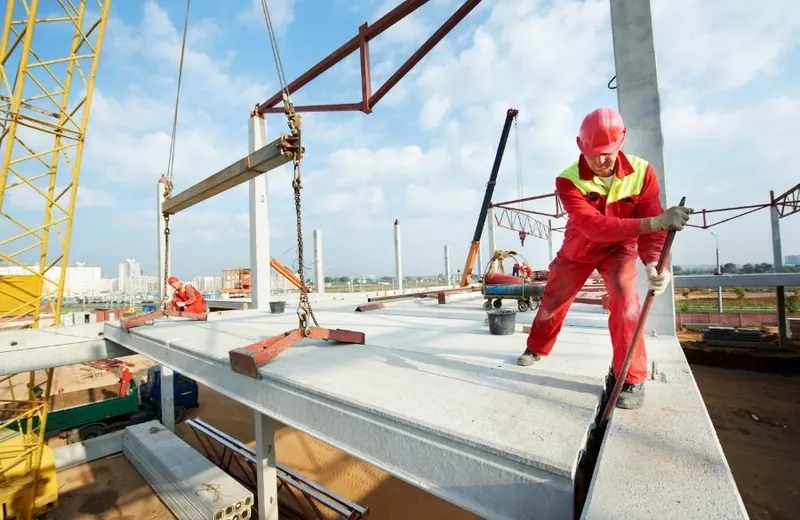
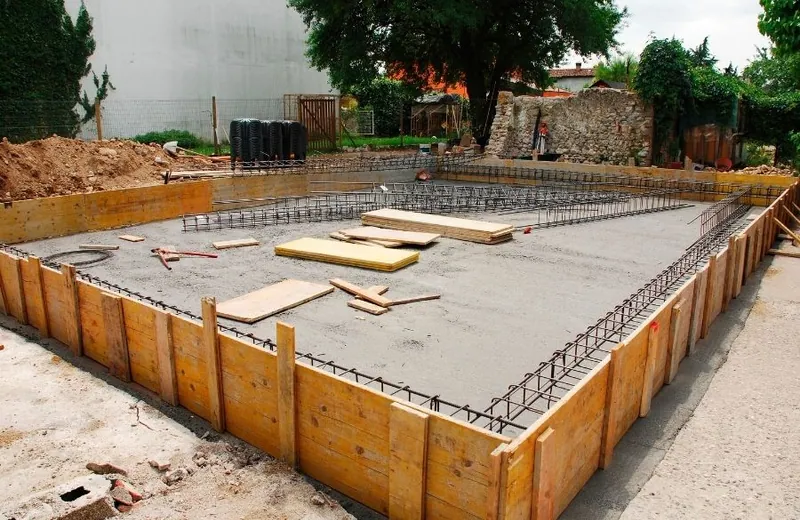
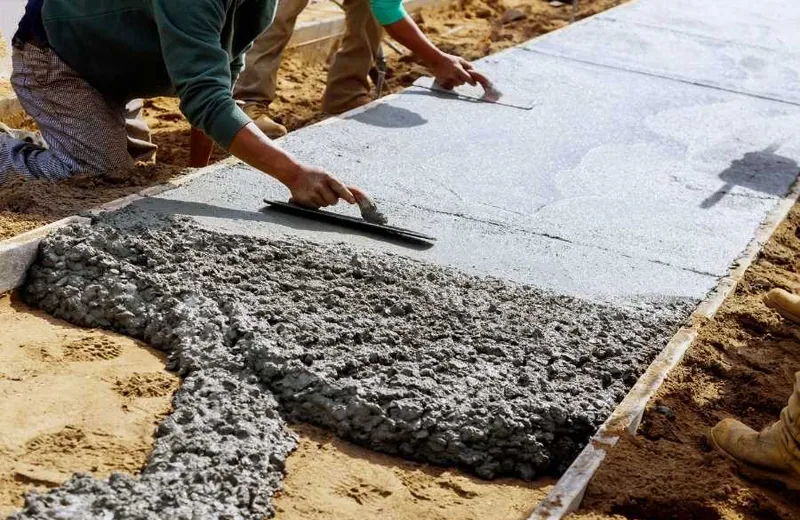
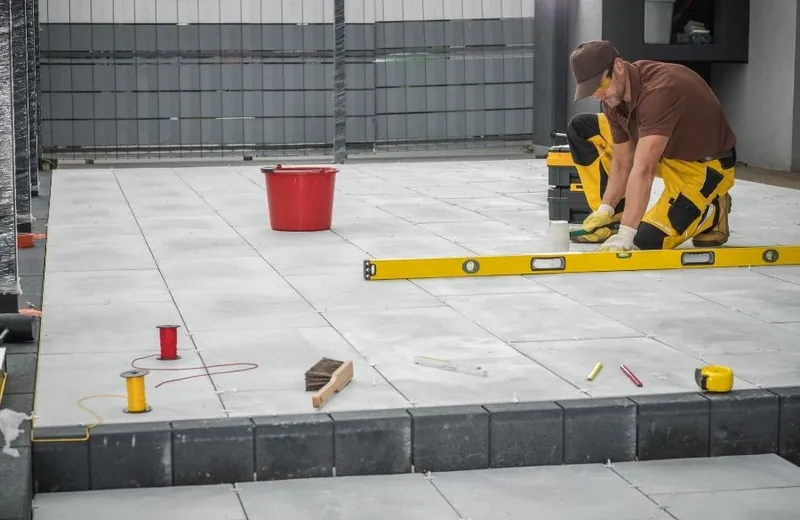
Foundation Repair FAQs for Lockhart Homeowners
How much does foundation repair cost in Lockhart?
Most residential repairs around Lockhart fall between about $3,500 and $18,000. Small corner repairs on slabs and pier-and-beam re-levels sit near the low end. Whole-house lifts on large post-tensioned slabs in Kyle or San Marcos land near the high end. The biggest factors are the number and type of piers, how deep they have to go through the local clay, crawlspace access, and whether plumbing or drainage fixes are needed. Sometimes an evaluation shows drainage correction alone is enough, and that often costs a few thousand dollars or less. Financing is available.
How do I know if a crack is cosmetic or structural?
Hairline cracks under about 1/8 inch that don't widen and have no offset are usually concrete shrinkage. They're common in nearly every Central Texas slab. Take them more seriously if they're wider, stair-stepping through brick, running diagonally from door or window corners, or showing up together with sticking doors, sloping floors or gaps at baseboards. The only reliable way to know is to measure. Our evaluation includes elevation readings across your floor and a written explanation of what's causing the cracks, so you're not guessing or paying for piers you don't need.
How long does foundation repair take?
Most residential slab and pier-and-beam repairs take 1 to 3 days on site. Larger homes, interior piers that require tunneling, or combined plumbing and drainage work can push that to about a week. Getting ready often takes longer than the repair itself. Permits in Lockhart, Kyle, Buda or San Marcos, Texas 811 utility locates, plumbing leak tests and HOA approvals can add 1–3 weeks. If you're in the middle of a sale, tell us your deadlines up front so we can plan around them.
Do I need a permit for foundation repair in Lockhart?
Inside city limits, usually yes. Lockhart, Kyle, Buda, San Marcos, Luling and smaller cities like Uhland and Mustang Ridge typically require a permit for foundation work, and some ask for an engineer's letter or an inspection. Unincorporated Caldwell and Hays County land often doesn't need a building permit. Floodplain development permits may still apply near Plum Creek and the San Marcos and Blanco rivers, though. Downtown Lockhart's historic district may also require design review for visible exterior changes. We confirm the requirements with each jurisdiction before work starts.
When should I call about foundation problems?
Call when you notice cracks that are growing, doors or windows that suddenly stick, floors you can feel sloping, gaps opening at baseboards or trim, or brick separating at the corners. Around here, those signs often show up after a dry summer or right after heavy spring or fall rains. Call right away after flooding, if you see exposed footings, or if floors sag suddenly. Waiting a season or two usually lets the damage spread, and that raises the repair cost.
How can I prevent foundation movement in Central Texas clay?
The goal is keeping moisture under your house as steady as possible all year. Make sure gutters and downspouts carry water at least several feet from the foundation and that the soil slopes away from the house. Keep irrigation from spraying the slab, and don't pile flowerbeds against the beam. During long droughts like 2022–2023, a soaker hose a foot or two from the foundation can keep the clay from shrinking away from it. Large live oaks and pecans near the house may need root barriers. Fix plumbing leaks quickly, too.
Does homeowners insurance cover foundation repair in Texas?
Usually not for settling or soil movement. Most Texas homeowners policies exclude damage caused by expanding or shrinking clay. Some policies do cover damage from a sudden plumbing leak under the slab, and in some cases that includes access and related foundation damage. That's one reason leak testing before repair is common around Lockhart, especially in older homes with cast-iron drains. We coordinate testing with a Texas-licensed plumber and give you written documentation of what we find, which you can share with your insurer.
Can you repair a historic pier-and-beam home without changing its character?
Yes. Most of the work on older Lockhart and Luling homes happens from inside the crawlspace: replacing rotted cedar or bois d'arc posts with concrete piers, re-shimming with steel, and repairing sills and girders. That leaves original skirting, lattice and brick perimeter walls alone whenever possible. If an exterior element does need to change on a property in downtown Lockhart's historic district, we'll point it out early, because it may need review by the city's historic preservation commission before work begins.
Serving Lockhart, TX & Nearby
Find Out What's Really Moving Your Foundation
Lockhart's clay won't stop moving on its own, and cracks rarely get smaller. Get measurements, a straight answer and a written explanation before you spend a dollar on repairs.
- ✓Elevation measurements taken across your home
- ✓A written explanation of the cause of movement
- ✓Honest advice when monitoring or drainage alone is enough
- ✓A bonded and insured crew for every job
- ✓Repairs matched to your soil, whether deep clay, limestone or sandy-over-clay
- ✓Care for historic pier-and-beam homes
- ✓Financing available
⚡ Flood washout, sudden sagging floors or exposed footings? Call right away so we can stabilize the problem before it spreads.
Bonded • Insured